England's Bid to Fix Its NHS IVF Postcode Lottery Wasn't Put to a Vote
Sir Gavin Williamson's amendment would have forced every part of England to fund IVF at the level NICE has recommended for 20 years. It never got a vote — the government offered a promise to "consider" it instead.
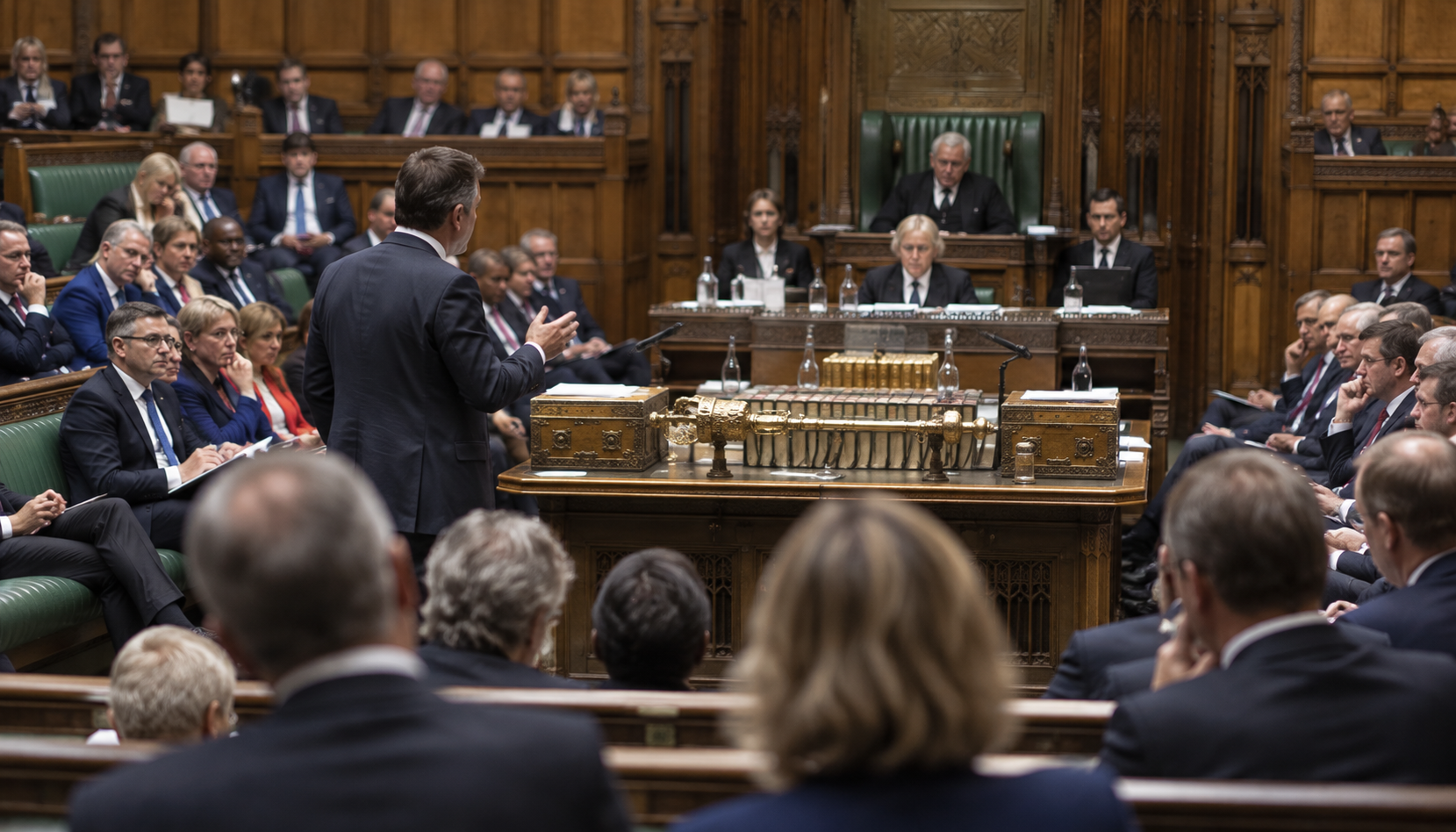
At the Health Bill's report stage in the House of Commons on 7 September 2026, an amendment tabled by Sir Gavin Williamson MP — which would have required NHS-funded IVF to be standardized across every Integrated Care Board in England at the level NICE has recommended for over 20 years — was debated with cross-party support from Labour, Liberal Democrat and Green MPs, but was never called to a vote. In response, the Prime Minister said he would direct the Health Secretary to "consider" the amendment, saying there should be an expectation that "services available anywhere should be available everywhere." Nothing has actually changed yet: NHS England's postcode lottery — where nearly 70% of Integrated Care Boards fund only one IVF cycle for eligible women under 40, against NICE's recommended three — remains exactly as it was.
What was actually proposed
Sir Gavin Williamson's amendment (New Clause 104) to the Health Bill would have done something NICE guidance alone has never managed in two decades: force every Integrated Care Board in England to fund IVF at least up to the level NICE recommends, rather than leaving it to local discretion. NICE has recommended three cycles for women under 40 since long before Integrated Care Boards existed. As of this year, nearly 70% of them fund just one.
The amendment picked up cross-party support — MPs from Labour, the Liberal Democrats and the Greens added their names to it, which for a backbench amendment from an opposition MP is a real signal that the substance of the problem, not just the politics of who raised it, resonated.
What happened at report stage — and what didn't
The Health Bill reached report stage in the Commons on 7 September 2026. Williamson's amendment was debated. It was not, in his own words afterward, "called for a vote" — meaning MPs never actually divided on it, for or against. That's a different outcome from being defeated: the amendment simply didn't reach the point where the Commons registered a formal decision on it.
What happened instead was a verbal commitment. Responding to Williamson in the chamber, the Prime Minister said he would direct the Health Secretary to consider the amendment, adding that "there should be an expectation that services available anywhere should be available everywhere, particularly when it comes to an issue as important as this." The Health Bill completed its Commons stages the next day, 8 September, without the standardization requirement in it.
"Although my amendment was not called for a vote, it clearly struck a nerve," Williamson wrote afterward. "This issue is not going away, and I will continue to campaign on it until the postcode lottery is ended."
The case against, made in the same debate
The push for standardization wasn't uncontested even among people who work in the field. Professor Sarah Martins Da Silva raised a resourcing concern directly: extending guaranteed access further, including to single people, comes with a real cost against already-stretched NHS waiting lists, and she questioned "whether being single is a health condition that needs to be funded" in the same way infertility is.
That's the actual tension underneath "standardize IVF funding": NICE's clinical recommendation has existed for 20+ years without full funding behind it largely because funding it everywhere costs real money that would otherwise go to something else in an already-stretched NHS budget — not because nobody has proposed it before.
Scotland is already three years ahead on this
England isn't the only part of the UK reconsidering its fertility funding. Scotland already offers up to three full NHS-funded cycles nationally — the most generous provision anywhere in the UK, and the only UK nation where more IVF cycles are NHS-funded than paid for privately. The Scottish Government has a separate review underway into expanding eligibility further, with recommendations from its National Fertility Group expected in summer 2027.
The contrast is useful context for anyone assuming "NHS IVF" means the same thing everywhere in the UK: it has meant something structurally different by nation for years, and this amendment was specifically about closing the gap within England, not across the whole UK.
Wondering what any of this means for your own timeline?
Answer a few questions and get a personal plan — the options open to you, in your country, at your age, with the costs and legal steps that actually apply.
Get my personal planStay connected
New real stories and guides on alternative paths to parenthood.
Occasional updates. Unsubscribe anytime.